
SIX MONTHS TO PRIMARY 6:
HOW CHILDREN LEARN
AT JIWA
FROM OUR FOUNDER
Dear families,
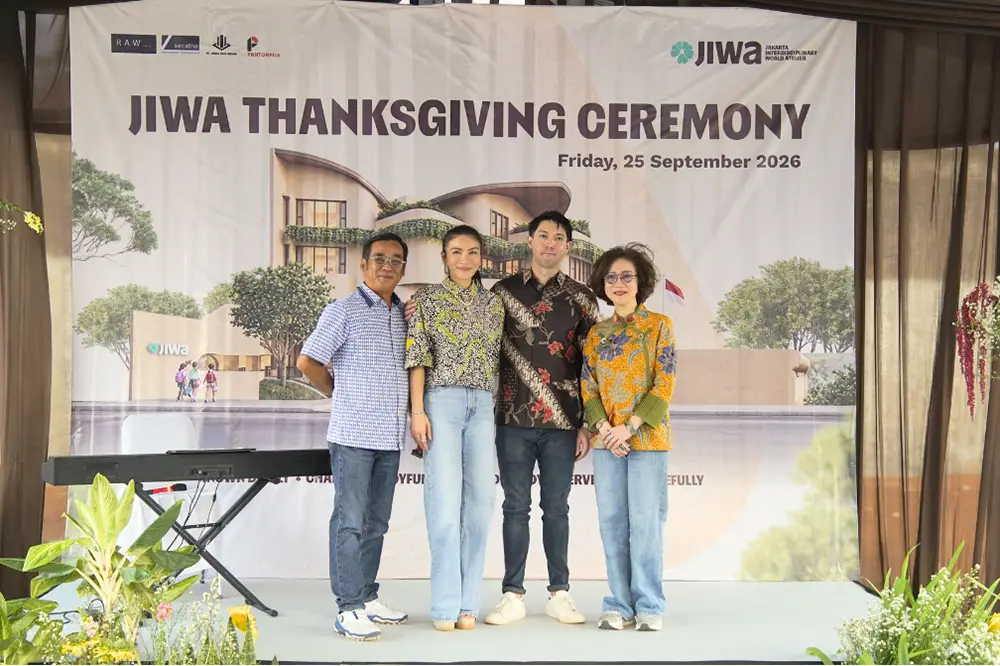
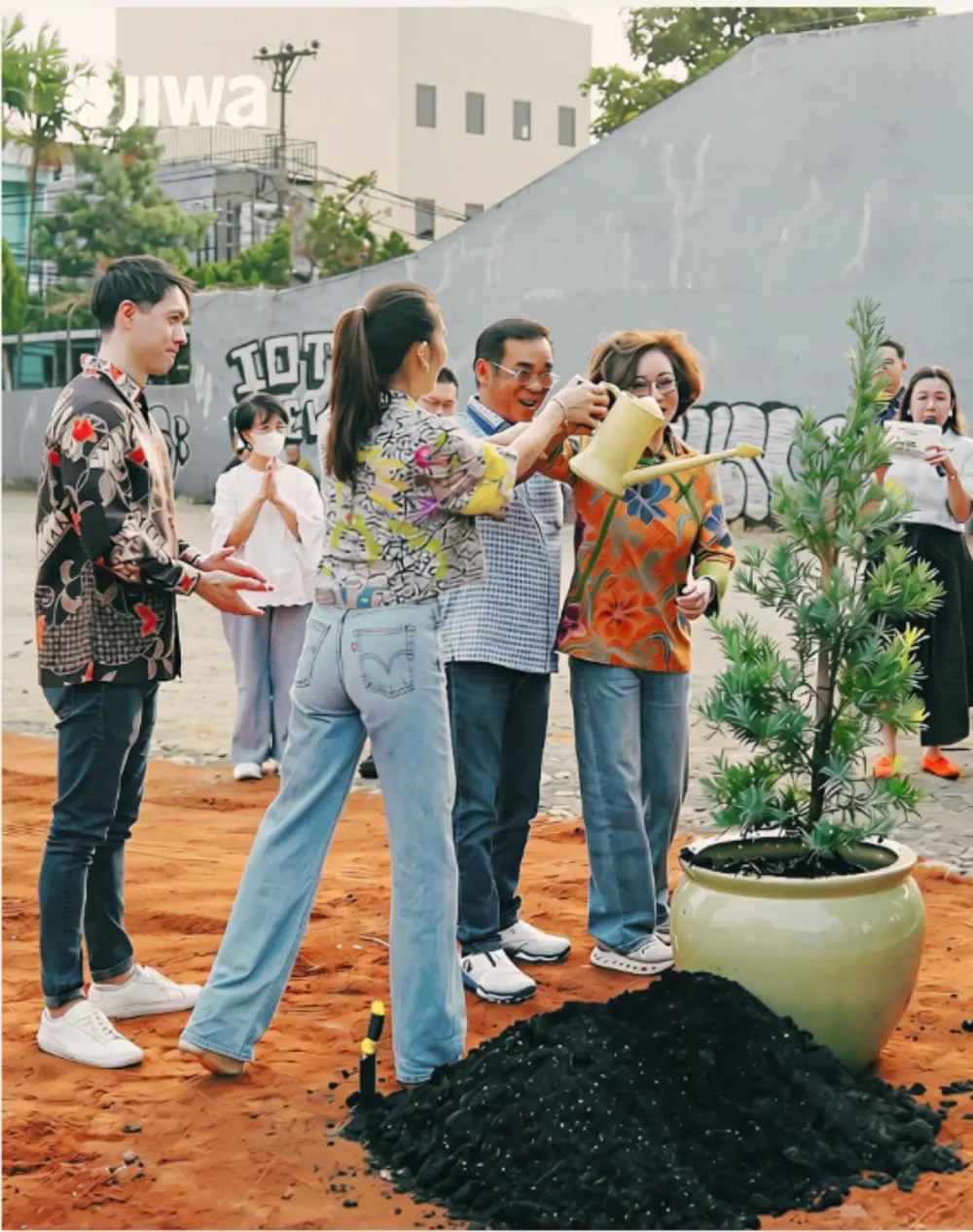
In September, we planted a tree on the land where JIWA is being built. A school grows the way a tree does: from good roots, in the right conditions, a little more each season.
This first newsletter is about those roots: how children will learn at JIWA from six months to Primary 6, and why we chose the International Primary Curriculum for Primary. Each month from now on, we will take one part of JIWA and look at it closely, with news from the site and an answer to a question families have asked us.
If there’s a topic you’d like us to explore, please write to hello@jiwaschool.com. I personally read every reply.
Trisha Winata, Founder
How children learn at JIWA, from Early Years to Primary
The JIWA Difference
From the site, and learning from others
Your question, answered
Our Early Years follows its own progression, designed in-house and built around the whole child: head, heart and hands.
HEAD · JIWA CHILD
We see every child as a capable researcher. Children investigate real materials and follow real questions, with teachers alongside them as co-researchers.
HEART · JIWA GRACE
Character for life, built every day: Gratitude, Resilience, Awareness, Compassion and Empathy.
HANDS · JIWA PLAY
Inspired by Anji Play, the internationally recognised play methodology from China. Children explore, take risks, create and reflect, while teachers watch closely and guide.
THE JIWA DIFFERENCE
Outdoors every day, with JIWA PLAY at the centre
Weekly gymnastics with BazGym®, and swimming in our own pool
Ateliers in the standard timetable, not after-school extras
Mandarin every school day, from Infant onwards, with specialist teachers working alongside the classroom team
A whole support team on site: clinical director, full-time nurse, and family counsellor
A longer day for deeper learning: Kindergarten 7 hours, Primary 7.5 hours
INFANT & TODDLER (6 months – 2 years)
Sensory Exploration & Serve and Return
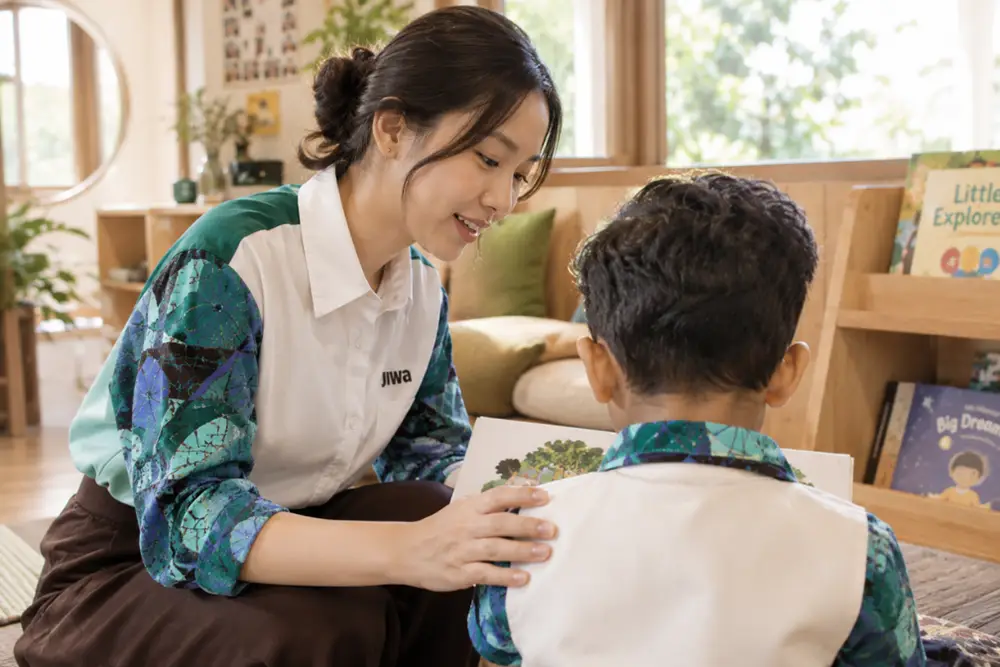
For babies, every back-and-forth with a caring adult (a look, a sound, an answer) shapes the brain’s early connections. Harvard’s Center on the Developing Child calls this “serve and return”. In our Infant sessions a parent or carer stays alongside, and our teachers show how to make the most of these moments. Toddlers build independence and movement through sensory play.
NURSERY (2 – 4 years)
Inquiry-Based Learning & Guided Discovery
Teachers turn natural curiosity into real learning. A question about where rainwater goes can become a week of investigation: following puddles, testing ideas, watching what the ground does with it.
KINDERGARTEN (4 – 6 years)
Project-Based Learning
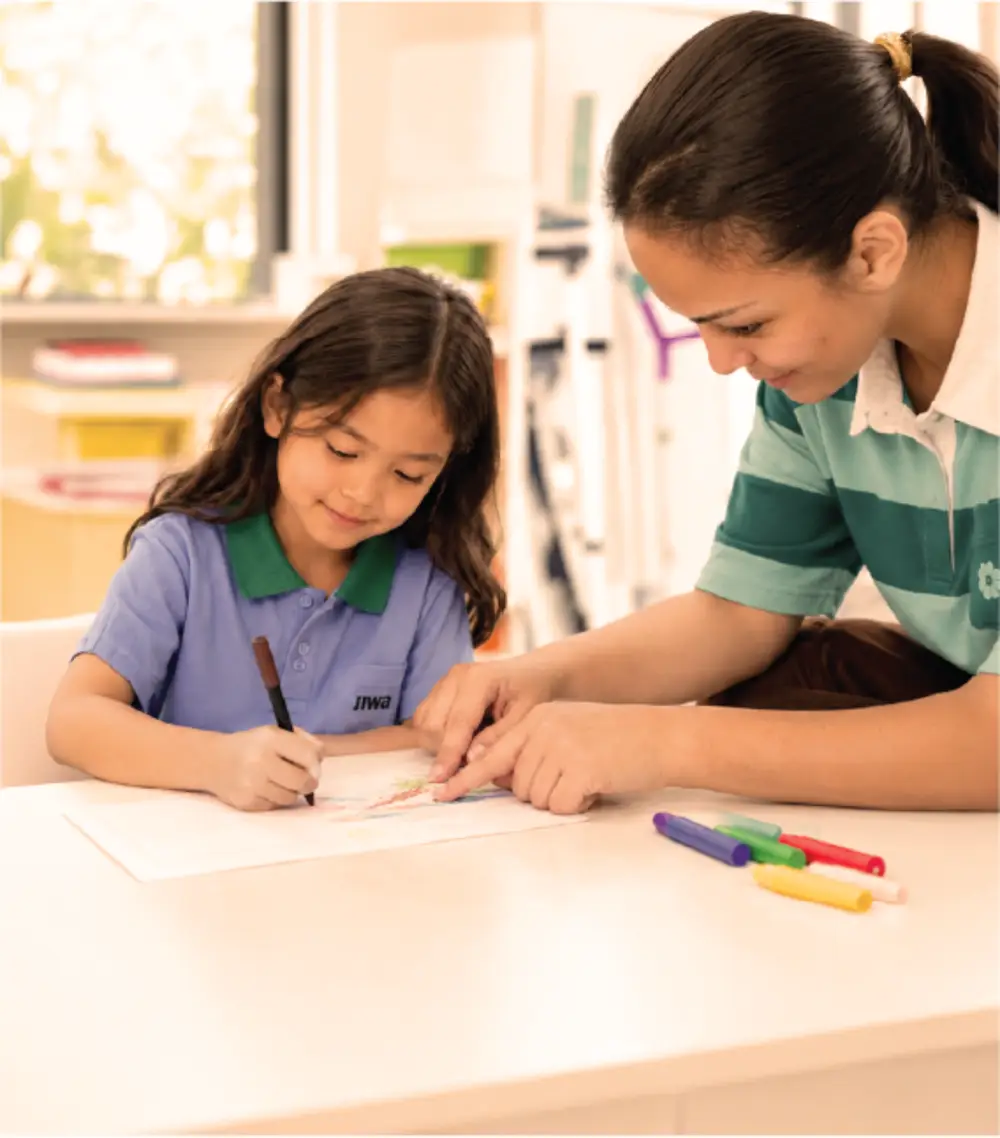
Collaborative, real-world projects give children authentic agency. Whether planning a class shop or investigating local ecosystems, children practise essential executive function skills: strategic planning, negotiation, and shared problem-solving.
WHAT THE RESEARCH SAYS
Guided play beats direct instruction for early maths
A 2022 review of 17 studies, covering children aged 1 to 8, found that when teachers guide play, with questions and gentle prompts, children learned early maths and shapes more effectively than through direct instruction.
The International Primary Curriculum (IPC) is used in schools around the world. Children learn through themed units that connect subjects like science, history and geography to the real world. This inquiry-based approach builds an international mindset and critical thinking.
Each theme opens with an activity that sparks curiosity, gives children time to research and reflect, and ends with them sharing what they’ve learned.
“We chose the IPC because it keeps children curious. It’s how we keep our promise: every child known deeply, challenged joyfully, world-ready and serving purposefully.”
— Trisha Winata, Founder
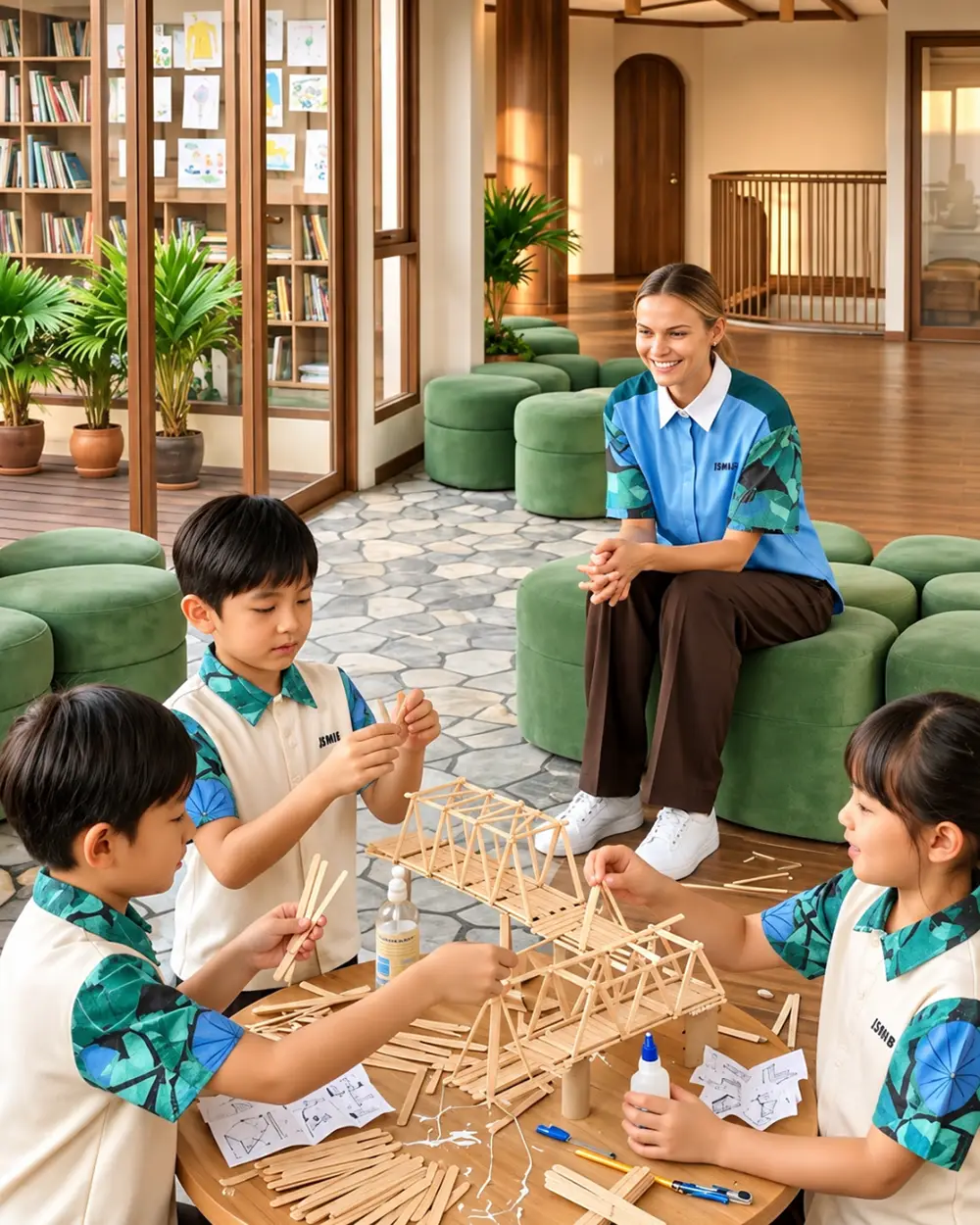
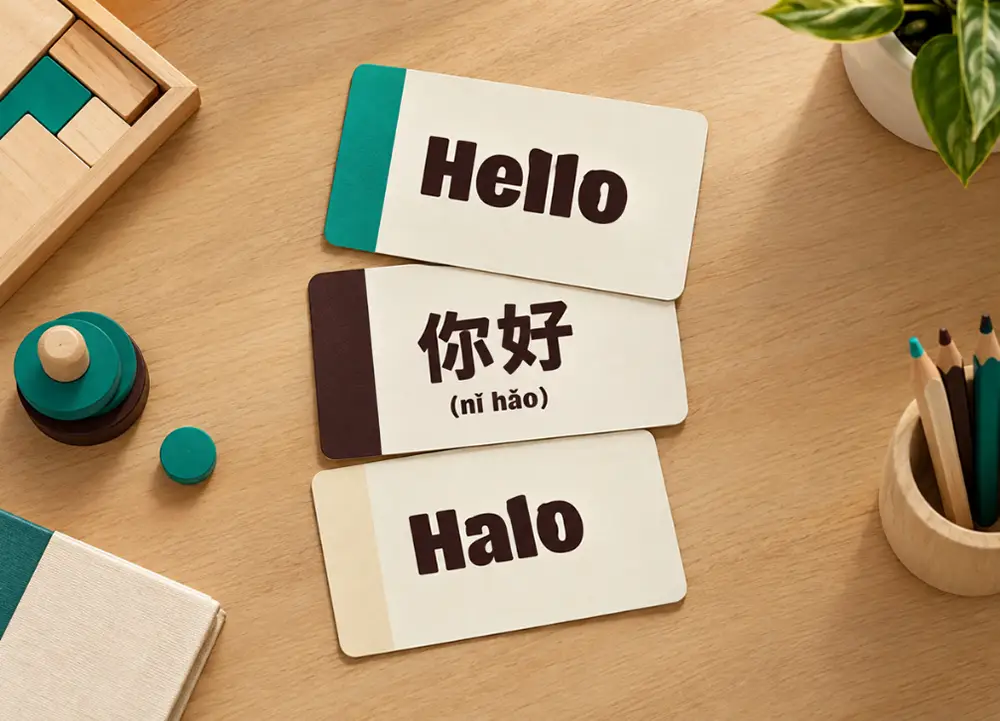
The IPC gives children the framework to explore. Singapore Mathematics, Mandarin and UK English add depth and step-by-step progression, so children are ready to move confidently into international or Indonesian schools.
ONE QUESTION, FIVE SUBJECTS
Here’s how one week of a Primary 1 unit on the human body might look. It starts with a simple question: what does my heart do?
SCIENCE
Children feel their pulse before and after a run.
MATHS
They count the beats and chart the difference.
ENGLISH
They label a life-size outline of a friend.
MANDARIN
They count the beats again in Mandarin.
MUSIC
They play a resting beat, then a racing one, on the drum.
WHAT THE RESEARCH SAYS
Guided exploration works: Two large reviews, of 164 and 72 studies, found that discovery and inquiry work better when teachers guide them, through prompts, feedback and examples, than when children are left to work it out alone.
+5 months’ progress: Children taught phonics make about five months’ additional reading progress over a year, with the strongest evidence for ages 4–7.
On 25 September, we planted a tree on the land where JIWA is being built, together with family, friends and the people building it. Construction has begun and we’ll share progress here each month.
ANJI PLAY — SUZHOU, CHINA
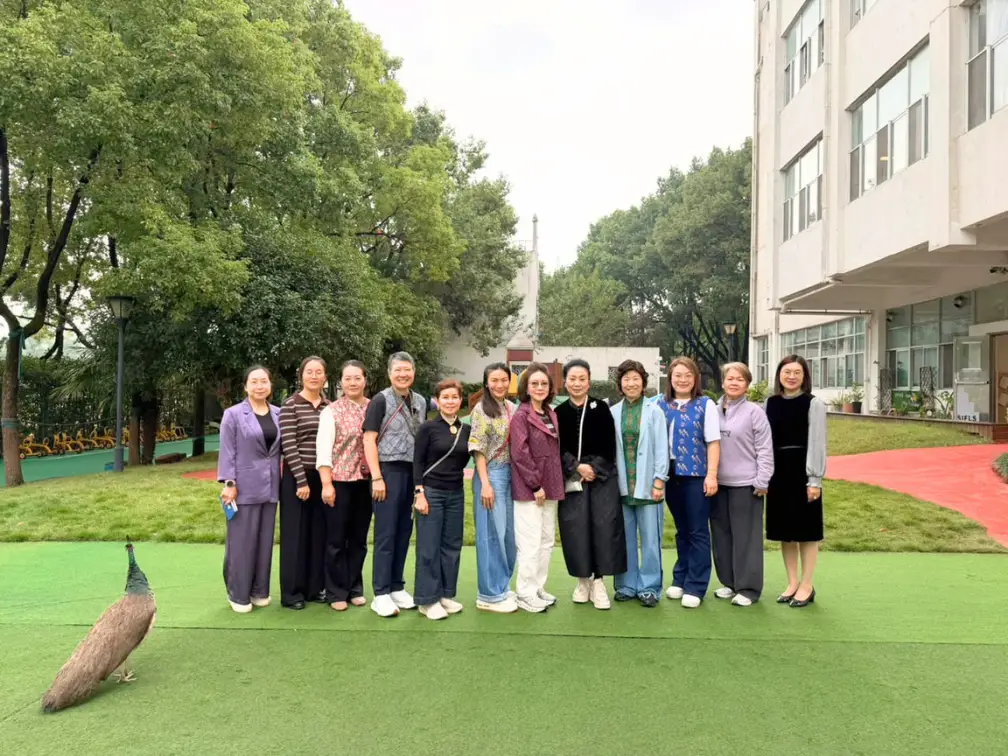
Our team met with Cheng Xueqin, founder of Anji Play — the internationally acclaimed early childhood framework now adopted by progressive schools worldwide. We visited Suzhou Foreign Language School to see this pedagogy in practice. Anji Play is grounded in a simple belief: when adults step back, children lead their own learning. Teachers observed attentively while children navigated physical risks, solved group challenges, and reflected on their discoveries through art and storytelling.
GOOD START CONFERENCE — SINGAPORE
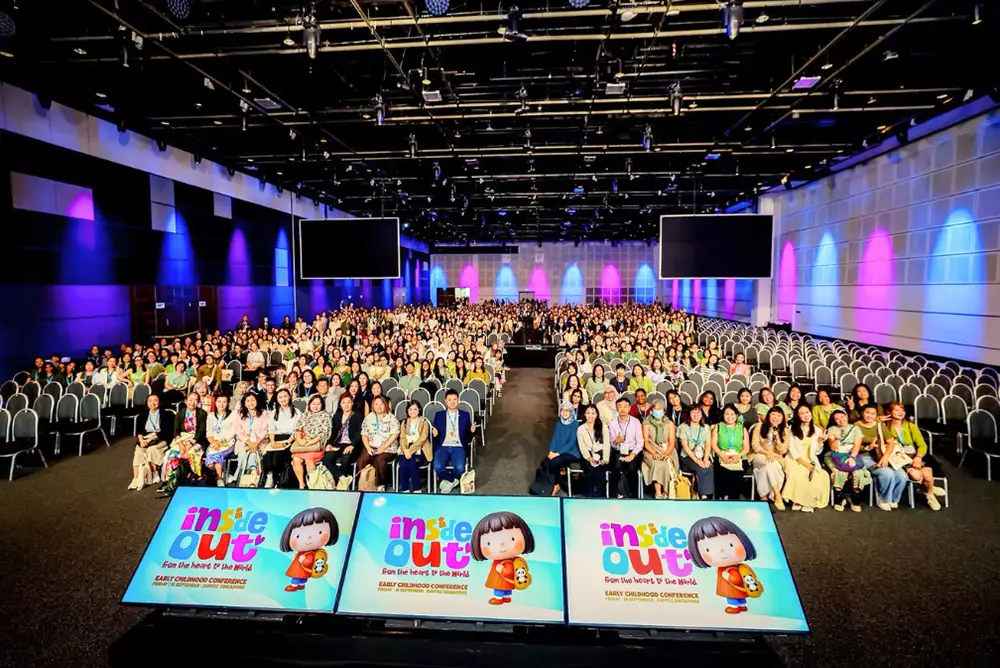
On 18 September, we joined 1,200 educators at Singapore’s Good Start conference. This year’s theme, Inside Out, explored how character, emotional skills and healthy relationships form inside a child. Our biggest takeaway came from keynote speaker Professor Tan Oon Seng: children who feel capable become capable, which is why at JIWA we build each child’s sense of competence and praise their effort and learning, not just results.
INSIGHTS FROM THE FIELD
The Power of Child-led Play
Observing children independently engineer structures, negotiate rules, and assess risks at Anji Play showed us that play is deep mental work. At JIWA, we harness self-directed inquiry to build spatial reasoning, executive function, and resilience.